Home Reviews Game Call of Duty®: Black Ops 6

Detail Call of Duty®: Black Ops 6

Call of Duty®: Black Ops 6

All trademarks belong to their respective owners.

Adverisement

🔒 Unlock Bonus

Watch a rewarded ad to discover curated HTML5 games

Screenshot
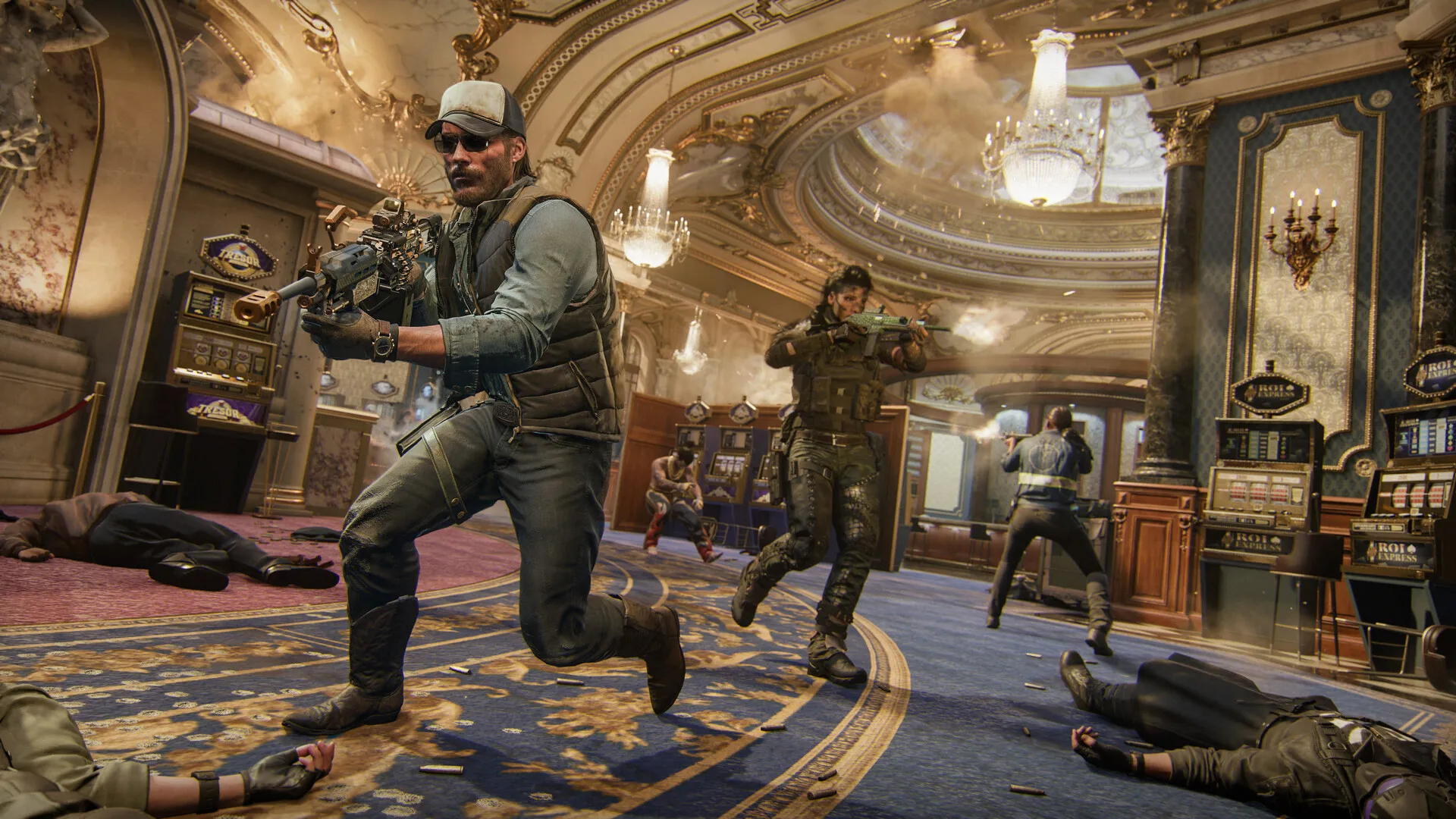
Call of Duty®: Black Ops 6 Summary

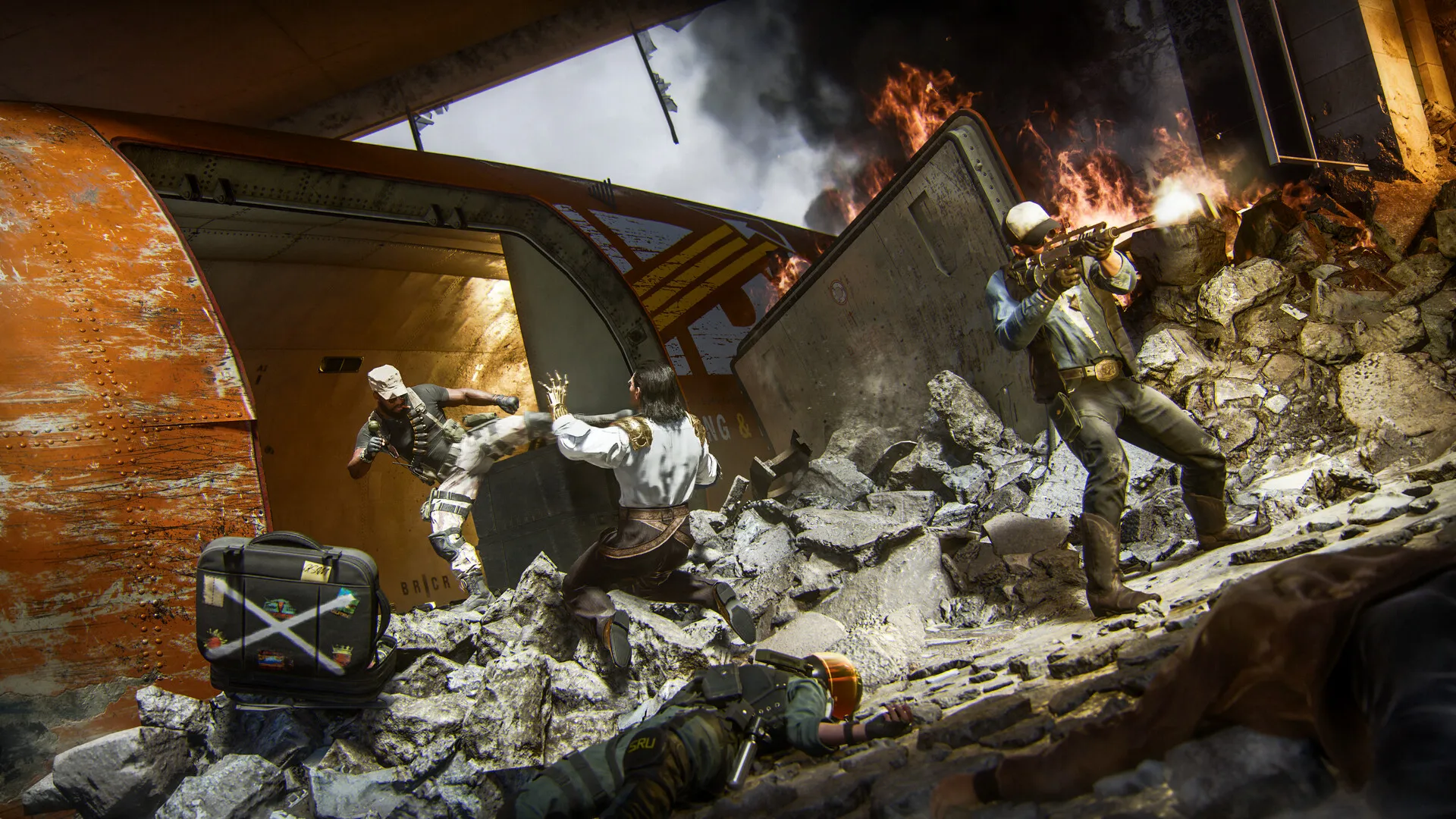
Call of Duty®: Black Ops 6 is a first-person shooter set in the early 1990s during the Gulf War, blending espionage, covert missions, and large-scale combat. The story follows Black Ops veterans Frank Woods and Troy Marshall, who are forced to go rogue after being branded as traitors by their own government. Alongside familiar allies and new operatives, they uncover a deep conspiracy tied to a shadowy organization.

Rating

Graphics and Sound

5

Controls

4.5

Gameplay

5

Lasting Appeal

4.5

PROS

  • Exceptional gunplay and weapon customization
  • Engaging, cinematic single-player campaign
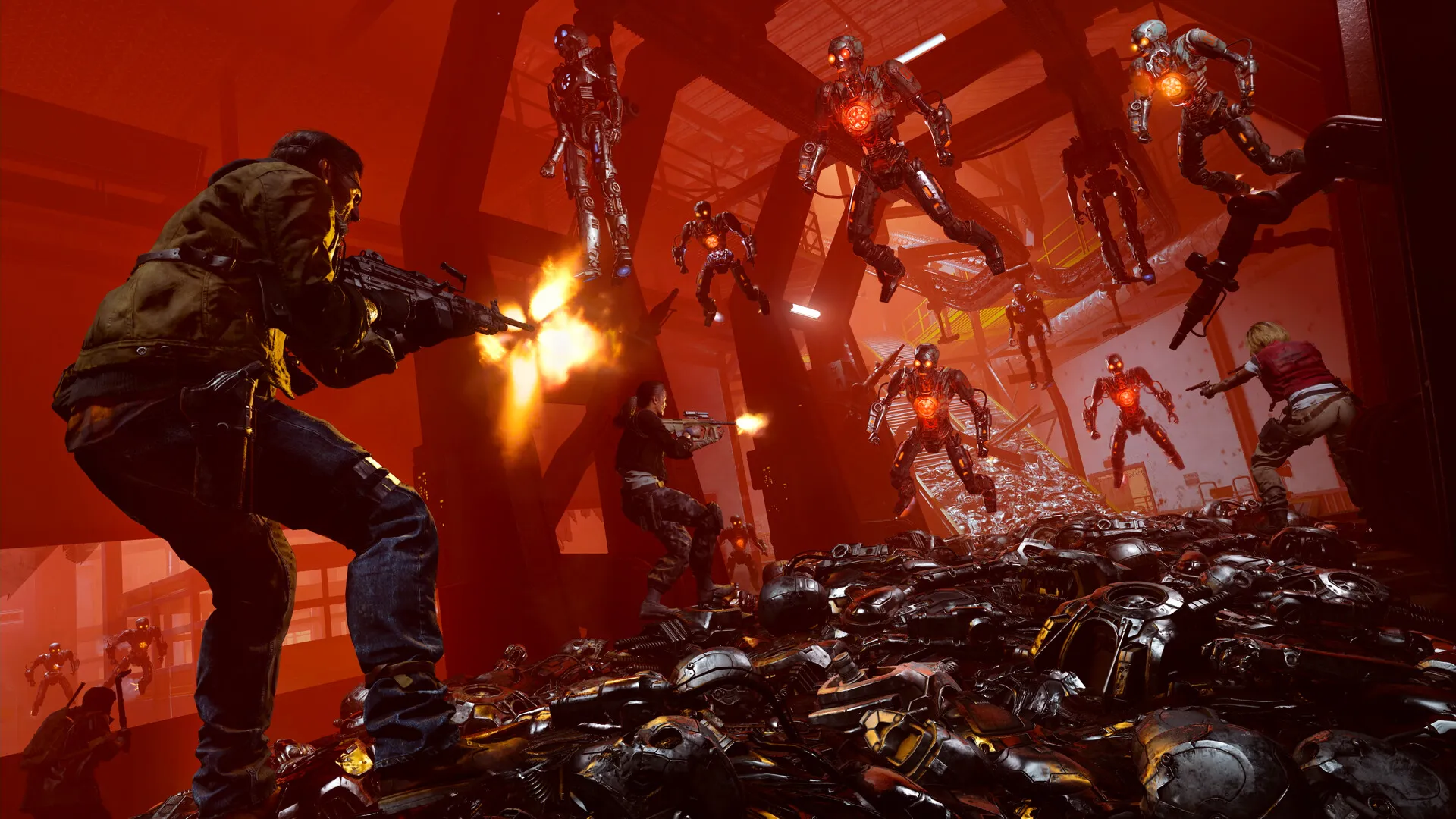
  • Zombies mode is bigger and better than ever
  • Regular seasonal updates keep the game fresh
  • Strong visuals and immersive sound design

CONS

  • Microtransactions and reliance on battle passes
  • Shorter campaign compared to rivals
  • SBMM remains controversial among competitive players
  • Early launch bugs and server hiccups
  • Steep learning curve for beginners

Get Game Links from Digital Markets

All trademarks belong to their respective owners.

Latest Post

Slay the Spire 2 8: How to Master This Hot Game and Build Winning Decks

Slay the Spire 2 is the highly anticipated sequel to one of the most beloved deck-building roguelike games ever created. Building on the success of the original, this new installment introduces deeper mechanics, fresh characters, and expanded strategic possibilities. Fans and newcomers alike are eager to learn how to conquer the Spire and create powerful decks, especially as the game quickly rises as a strategic hot game in the genre. Unlike traditional card games, Slay the Spire 2 blends roguelike progression with deck-building strategy. Every run is different, requiring players to adapt their tactics, manage risks, and make critical decisions. Understanding how to build strong decks and navigate encounters is essential to mastering this challenging hot game. 1. The Evolution of Slay the Spire 2 Slay the Spire 2 expands on the core mechanics of its predecessor while introducing new features and improvements. Players climb a mysterious tower filled with enemies, events, and rewards. Many players are curious about how to adapt to the new systems. The sequel refines gameplay while maintaining the addictive loop that made it a hot game. What’s New in the Sequel New characters and abilities Enhanced card mechanics Updated visuals and animations More strategic depth A Strong Foundation The sequel builds upon a proven formula while adding fresh ideas. 2. Understanding the Core Gameplay Loop The gameplay loop in Slay the Spire 2 revolves around climbing floors, battling enemies, and building your deck along the way. Learning how to balance risk and reward is crucial for survival. Each decision can determine the outcome of your run in this strategic hot game. Core Elements Turn-based combat Deck-building progression Randomized encounters Resource management Every Run Is Unique No two runs in Slay the Spire 2 are the same. 3. How to Build a Strong Deck Deck-building is the heart of Slay the Spire 2. Players must carefully choose cards to create powerful combinations. Understanding how to build synergy between cards is key to success in this complex hot game. Deck-Building Tips Focus on a clear strategy Avoid unnecessary cards Upgrade key cards Maintain balance Quality Over Quantity A smaller, focused deck often performs better. 4. Choosing the Right Character Each character in Slay the Spire 2 has unique abilities and playstyles. Choosing the right one affects your entire strategy. Players often search for how to pick the best character for their approach. This decision shapes the experience in this engaging hot game. Character Playstyles Offensive-focused builds Defensive strategies Combo-based gameplay Risk-reward mechanics Adapt Your Strategy Each character requires a different approach. 5. How to Navigate the Map Efficiently The map in Slay the Spire 2 presents multiple paths with different risks and rewards. Learning how to choose the right path can greatly increase your chances of success in this tactical hot game. Path Selection Tips Balance fights and rest points Visit shops when needed Take calculated risks Avoid unnecessary danger Smart Planning Good route choices can determine victory. 6. Mastering Combat Mechanics Combat in Slay the Spire 2 is turn-based and requires careful planning. Players must manage energy, cards, and enemy actions. Understanding how to anticipate enemy moves is essential for surviving battles in this strategic hot game. Combat Tips Plan turns ahead Manage energy efficiently Use defensive cards wisely Adapt to enemy patterns Think Strategically Every move matters in combat. 7. Relics and Their Importance Relics provide passive bonuses that can greatly impact your run in Slay the Spire 2. Knowing how to use relics effectively can turn a weak deck into a powerful one in this evolving hot game. Types of Relics Offensive relics Defensive relics Utility relics Resource-based relics Hidden Power Relics often define your strategy. 8. Tips for Beginners New players may find Slay the Spire 2 challenging due to its depth and complexity. Learning how to focus on simple strategies first helps beginners improve in this rewarding hot game. Beginner Advice Start with basic decks Learn enemy patterns Avoid overcomplicating builds Practice regularly Learn Step by Step Mastery comes with experience. 9. Advanced Strategies for High-Level Play Experienced players in Slay the Spire 2 develop advanced strategies to maximize efficiency and win consistently. Understanding how to optimize deck synergy and resource management is key in this competitive hot game. Advanced Tips Build around key cards Optimize energy usage Exploit enemy weaknesses Plan long-term strategies Strategic Depth High-level play rewards careful planning. 10. Why Slay the Spire 2 Is a Hot Game The popularity of Slay the Spire 2 comes from its deep strategy, replayability, and rewarding gameplay loop. Players are constantly learning how to improve, making it a standout hot game in the roguelike genre. Reasons for Popularity Endless replayability Deep strategic gameplay Unique card mechanics Challenging progression A Game That Rewards Skill The more you play, the better you become. Conclusion Slay the Spire 2 offers a rich and strategic experience that challenges players to think carefully and adapt constantly. Its combination of deck-building and roguelike elements creates endless replayability. For those wondering how to succeed, the key lies in building strong decks, understanding combat mechanics, and making smart decisions. As a rising hot game, Slay the Spire 2 continues to captivate strategy fans around the world.

How to Solve Multi-Layer Lock Levels in Match Factory: A Deep How-To Guide for Breaking Stacked Object Systems

How to Read a Multi-Layer Lock Level Before Touching Anything Multi-layer lock levels reveal their danger immediately, but only if you know how to look. The board usually appears dense, with many overlapping objects and very few obvious matches. What matters most is not what you see, but what is hidden underneath. Before making your first move, scan the board and identify how many object types are visible and how many are partially obscured. Locked layers usually follow repetition patterns, meaning that if you see two of the same object type on the surface, a third one is likely buried deeper. Recognizing this pattern early prevents you from filling the tray with unmatched items later. Understanding surface vs hidden logic Multi-layer levels rely on delayed information. Early visual warning signs Objects stacked three or more layers deep Very few visible triples Central objects acting as load-bearing blockers How to Set a Survival Objective Instead of a Clearing Objective In normal Match Factory levels, the goal is simple: clear objects as fast as possible. In multi-layer lock levels, this mindset guarantees failure. Your real objective is survival through control, not speed. Instead of thinking “How do I match this?”, think “What happens after I remove this?”. Every object you clear reveals information—and often danger. Progress only matters if it reduces future risk. Clearing objects that open too many layers too early almost always leads to tray overflow. Redefining progress Stability is progress in disguise. Control-based objectives Reduce object variety before clearing deeply Eliminate one object type completely when possible Avoid moves that reveal multiple layers at once How to Use the Tray as a Strategic Tool, Not Storage The tray is not a convenience feature—it is the core limiting mechanic of multi-layer lock levels. Every slot represents a decision that must pay off later. Early in the level, your priority should be to keep the tray flexible. This means avoiding single unmatched items and preserving empty slots. Once the tray fills with unrelated objects, you lose the ability to respond to surprise reveals. Tray economy mindset Every slot must earn its place. Tray discipline rules Keep at least two slots empty at all times Avoid holding unmatched single objects Do not “test” moves that add uncertainty How to Open Locked Layers Without Triggering Chain Failures Locked layers are designed to collapse control if opened incorrectly. Removing one object can reveal another that has no matching partners available, instantly increasing tray pressure. The correct approach is preparation before revelation. Before unlocking any layer, you must either have empty tray slots or already be holding matching partners. If neither condition is met, opening the layer is a mistake—even if the move looks tempting. Reveal preparation logic Never unlock without an exit. Safe layer-opening checklist At least two empty tray slots Known or predicted matching partners No simultaneous reveals from adjacent stacks How to Use Partial Matches as Structural Anchors Partial matches—holding two identical objects—are not mistakes in multi-layer levels. They are structural anchors that allow you to safely absorb future reveals. The key is selectivity. You should only create partial matches for object types that appear frequently and predictably. Holding rare or isolated objects creates dead weight that clogs the tray and limits future moves. Anchoring through predictability Certainty reduces risk. Partial match guidelines Use common object types only Never hold more than two partial pairs Release partials deliberately, not automatically How to Identify and Delay False Priority Objects Some objects are designed to look important but are actually traps. These false priority objects often sit in the center or appear visually isolated, inviting you to remove them early. In reality, they usually act as structural supports for multiple layers. Removing them too soon releases a flood of hidden objects, overwhelming the tray. The correct strategy is delay—leave these objects untouched until the board is under control. Understanding visual misdirection The obvious move is often wrong. False priority warning signs No visible duplicates nearby Positioned as a central connector Unlocks multiple layers when removed How to Time Matches Instead of Completing Them Immediately Completing a match feels productive, but in multi-layer lock levels, timing matters more than completion. A poorly timed match can free tray space only to refill it with new, unmanageable objects. Advanced play requires holding matches until they serve a structural purpose—such as eliminating an object type entirely or stabilizing the tray before a major reveal. Match timing discipline Delay creates control. When a match is actually safe It removes all remaining instances of an object It does not trigger layered reveals It creates space before a planned unlock How to Use Power-Ups as Structural Corrections Power-ups are often wasted as panic tools. In complex lock levels, they should be used as structural corrections, not emergency escapes. A single remove-item power-up can dismantle an entire problematic stack if used on the right object. Shuffle power-ups are especially dangerous and should only be used after fully understanding the board state. Strategic power-up mindset Fix the structure, not the symptom. Power-up best practices Remove-item to break chain blockers Shuffle only after full board analysis Never use power-ups impulsively How to Recover When the Tray Is Nearly Full A nearly full tray feels like a loss, but many situations are still recoverable. The key is mental reset. Panic clicking guarantees failure. Stop, reassess the board, and look for matches that do not introduce new object types. Even a single controlled match can restore stability if chosen carefully. Crisis recovery thinking Calm restores options. Recovery steps Pause and scan the entire board Identify lowest-risk match Sacrifice objects with known partners How to Build a Repeatable Method for Multi-Layer Lock Levels The final step is systemization. Multi-layer lock levels follow design templates. Once you recognize them, fear disappears. Your repeatable method should include early diagnosis, tray control, reveal preparation, match timing, and emotional discipline. When every level is approached with the same framework, difficulty becomes manageable. Process over instinct Systems outperform reactions. Multi-layer solving framework Diagnose before acting Control object variety aggressively Prepare before unlocking layers Time matches with intent

Latest Reviews

Non-Affiliation: This website is not affiliated, associated, authorized, endorsed by, or in any way officially connected with any third-party brands, companies, or their subsidiaries and affiliates mentioned herein. All product names, logos, and brands are the sole property of their respective owners. The use of any trade name or trademark is for identification and reference purposes only and does not imply any association with the trademark holder of their product brand. The content provided on this website is for informational purposes only.

© 2026 skorh5.com - All Rights Reserved. skorh5.com is an independent review site