.webp)


Introduction
When The Last of Us Part II launched in 2020, it didn’t just continue a beloved story — it detonated it. Few moments in modern gaming history have fractured a fanbase like the brutal early death of Joel Miller. For many players, Joel was not simply a protagonist; he was the emotional spine of the original game. His loss was shocking, painful, and for some, unforgivable. Yet from a structural and thematic standpoint, Joel’s death is not a cheap shock tactic. It is the core engine that drives the entire narrative experiment.
This article does not revisit broad themes like “revenge is bad” or “cycles of violence.” Instead, it examines in depth the specific issue of Joel’s death — how it is constructed, why it happens when it does, how player control is weaponized, and how it transforms the game’s structure, pacing, morality, and player identity. By analyzing it chronologically and structurally, we can understand why this moment remains one of the most daring narrative decisions in AAA gaming.
1. The Calm Before Catastrophe: Rebuilding Joel in Jackson
The game opens in Jackson, years after the events of the first installment. Joel appears older, calmer, and integrated into a functioning community. The environment is warm, domestic, and almost peaceful. This setting is crucial: it rebuilds trust. The player is invited to believe that Joel has earned a softer life.
By reintroducing Joel through guitar scenes and quiet interactions, the game subtly repositions him as a father figure who has chosen emotional connection over survival pragmatism. This tonal framing sets up the magnitude of the rupture to come. Without this period of emotional grounding, the impact of his death would not resonate with the same intensity.
Emotional Framing
- Domestic safety contrasts past brutality
- Joel is humanized through vulnerability
- The player regains attachment before losing it
Narrative Positioning
Joel is no longer the active hunter of the first game. He is a protector who has already made his defining moral decision. The story does not need him to grow — it needs him to fall.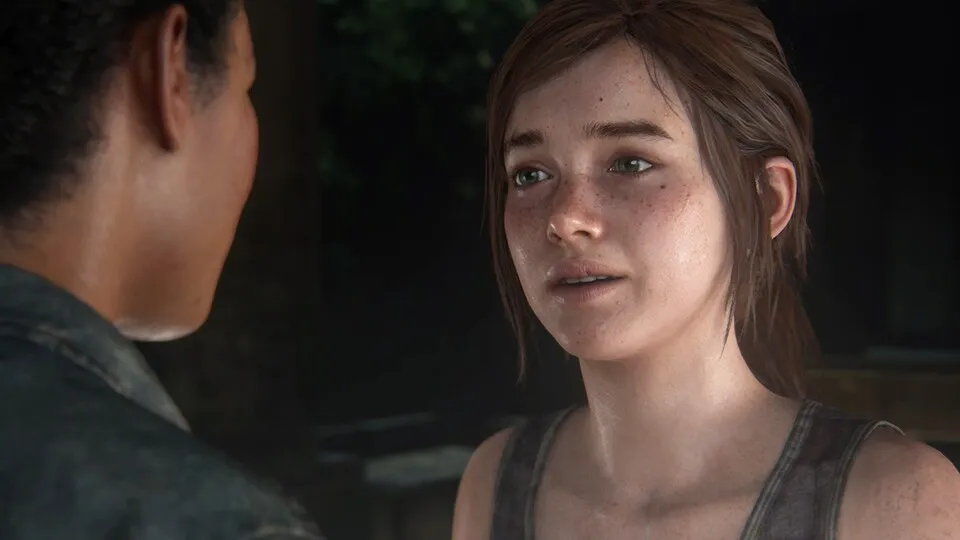
2. The Structural Shock: Killing the Protagonist Early
Joel’s death occurs shockingly early in the narrative. Structurally, this violates traditional sequel expectations. Players anticipate another journey led by Joel and Ellie together. Instead, the game removes the previous protagonist within hours.
This early removal destabilizes narrative comfort. It denies the player the time to prepare emotionally or morally. The pacing is abrupt by design. The lack of buildup is precisely what transforms the event from a tragic death into a narrative earthquake.
Why So Early?
- Prevents emotional distancing
- Forces immediate narrative pivot
- Establishes unpredictability
If Joel had died mid-game, the player would have processed it as a dramatic arc. By placing it early, the game turns his death into the foundation rather than the climax.
3. Player Powerlessness as Intentional Design
Perhaps the most controversial element is not that Joel dies — it is that the player cannot prevent it. The game removes agency at the moment players most crave control.
This is a deliberate mechanical choice. In the first game, players saved Ellie by controlling Joel. In the sequel, players fail Joel by design. This inversion transforms player expectation into emotional trauma.
Mechanical Disempowerment
- Cutscene dominance removes interactivity
- Control is transferred away at critical moment
- Emotional investment meets enforced helplessness
This design choice forces players to feel what Ellie feels: rage born from powerlessness.
4. The Golf Club Scene: Brutality Without Heroism
Joel’s death is not heroic. There is no swelling music, no last stand, no noble sacrifice. It is ugly, grounded, and painfully human. This is narratively significant.
The game strips away romanticism. Joel does not die saving the world. He dies because of a decision he made years earlier. The violence is not stylized — it is intimate.
Visual Language
- Close camera angles emphasize intimacy
- Silence replaces dramatic scoring
- The setting is mundane, not epic
The lack of spectacle intensifies discomfort. The player is not meant to admire the scene — they are meant to endure it.
5. Moral Continuity from the First Game
Joel’s death is not random. It is a direct consequence of his actions in the hospital at the end of the first game. The sequel treats that decision as morally consequential.
Abby is not a random villain. She is the daughter of the surgeon Joel killed. This reframes Joel’s original act. What once felt heroic now carries collateral damage.
Cause and Effect
- Joel killed to save Ellie
- Abby lost her father
- Revenge emerges from consequence
The game refuses to isolate Joel’s morality. It insists on continuity.
6. Ellie’s Psychological Fracture
Joel’s death fractures Ellie internally. Her grief manifests as obsession. The game’s middle act is not just about revenge — it is about trauma expression.
Ellie’s nightmares, strained relationships, and escalating brutality all stem from that single event. Joel’s death does not end his presence; it multiplies it psychologically.
Trauma Markers
- Flashbacks interrupt present
- Violence escalates emotionally
- Personal relationships deteriorate
The death becomes an emotional infection spreading through the narrative.
7. Shifting Perspective to Abby
Midway through the game, the perspective shifts to Abby — Joel’s killer. This structural gamble deepens the issue. The player must inhabit the perspective of the person responsible.
This is not to justify her action, but to contextualize it. By mirroring Joel’s protective instincts through Abby’s bond with Lev, the game creates moral symmetry.
Structural Mirroring
- Joel and Ellie → Abby and Lev
- Protective violence repeats
- Cycles are reinforced through gameplay
The shift transforms Joel’s death from singular tragedy into systemic pattern.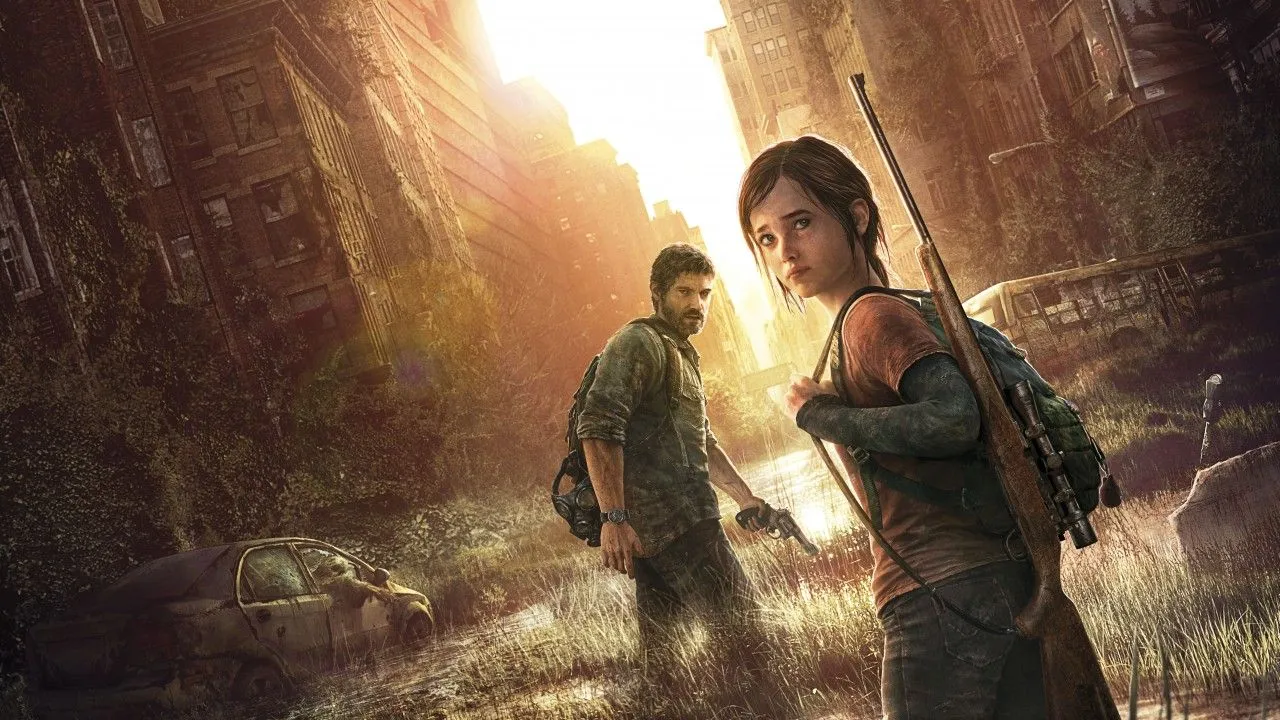
8. The Illusion of Justice
Ellie’s journey promises catharsis. Players expect a final confrontation that resolves emotional tension. Yet when Ellie reaches Abby, the act of revenge feels hollow.
Joel’s death cannot be undone. Killing Abby would not restore equilibrium. The game exposes revenge as an illusion of justice.
Emotional Collapse
- Ellie loses more than she gains
- Relationships erode beyond repair
- Closure remains unattainable
The absence of satisfaction is intentional.
9. The Final Flashback: Reframing Forgiveness
Near the end, a flashback reveals Ellie beginning to forgive Joel before his death. This changes everything. Joel’s last night was not defined by conflict, but by possibility.
This reframing transforms his death from unresolved bitterness to interrupted reconciliation. It complicates Ellie’s revenge by revealing what she truly lost: time.
Temporal Recontextualization
- Memory shifts meaning of loss
- Forgiveness was in progress
- Violence interrupts healing
The narrative ends not with revenge, but with memory.
10. Legacy and Player Identity
Joel’s death permanently alters how players interpret both games. The first game becomes morally ambiguous. The sequel becomes an examination of consequence.
More importantly, it forces players to confront their own complicity. Many cheered Joel’s hospital massacre in 2013. In 2020, they are asked to reckon with its aftermath.
Lasting Impact
- Redefines heroism
- Challenges player loyalty
- Elevates video game storytelling risk
Joel’s death is not just a plot point. It is a thesis statement about consequence, grief, and narrative courage.
Conclusion
Joel’s death in The Last of Us Part II remains one of the most divisive and daring moments in gaming history. It is abrupt, uncomfortable, and structurally radical. Yet when examined deeply, it is neither careless nor cynical. It is the foundation upon which the entire narrative experiment stands. By removing the previous protagonist early, weaponizing player helplessness, enforcing moral continuity, and restructuring perspective, the game transforms a single violent act into a meditation on consequence and trauma.
Rather than asking players to accept loss passively, the game forces them to live inside it. Joel’s death is not simply about shock — it is about reorienting how stories in interactive media can challenge emotional loyalty. Whether one loves or hates the decision, its narrative boldness cannot be denied.