

Introduction
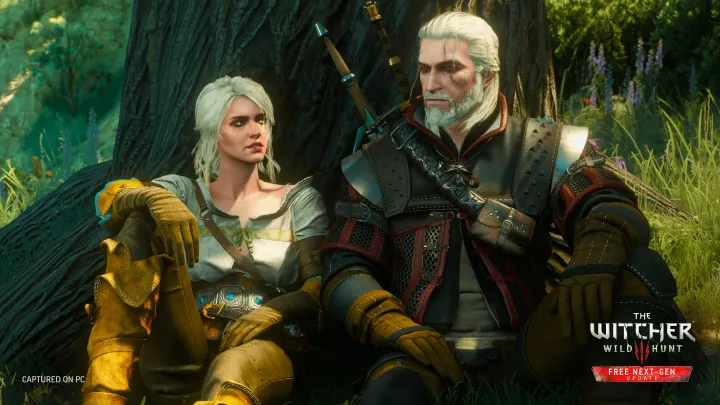
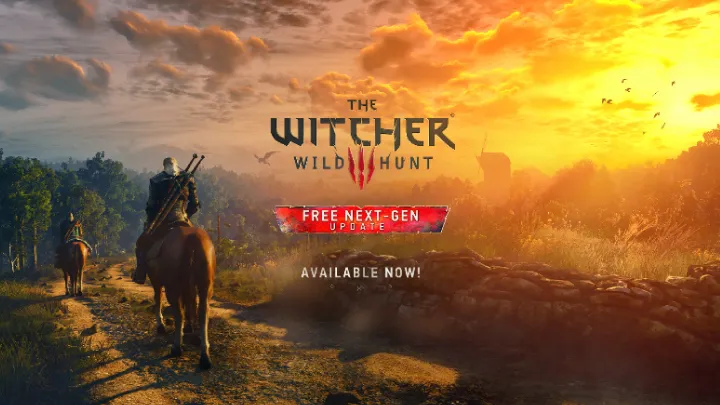
The Witcher 3: Wild Hunt is widely regarded as one of the greatest video games of all time, and its next-gen version only amplifies its acclaim by enhancing visuals and performance while maintaining the core storytelling that captivated players. At the heart of The Witcher 3 lies a profound exploration of choice and consequence—a theme that not only shapes the narrative but profoundly impacts player experience. Every decision made by Geralt of Rivia is steeped in moral ambiguity, challenging players to confront the far-reaching effects of their choices amidst a richly woven narrative tapestry. This article delves deeply into the complexities of choice and consequence in The Witcher 3: Wild Hunt, examining how narrative branches, character dynamics, and thematic elements interact to create a compelling exploration of ethical dilemmas in a morally gray world.
The Foundations of Choice
Agency in a Complex World
The Witcher 3 immerses players in a world filled with morally ambiguous situations, where choices are rarely black and white. Geralt's unique position as a monster hunter allows him to engage with a plethora of factions, characters, and dilemmas, ranging from the political struggles of Nilfgaard and the Northern Kingdoms to the intimate human dramas of side quests. The opportunity for player agency in these situations fosters a sense of ownership over the narrative, creating a deeply personal experience that resonates long after the game is completed.
The Role of the Player
As players control Geralt, every decision carries weight. Whether choosing to walk away from a fight, intervene in a conflict, or align with a particular faction, these actions influence not just the immediate outcomes but the broader narrative arc. This level of agency creates a rich environment in which players can explore various facets of morality, prompting them to consider their values and beliefs as they navigate the intricacies of the Witcher world.
Moral Ambiguity and Narrative Branching
The Gray Areas of Morality
One of the most significant aspects of The Witcher 3 is its commitment to moral ambiguity. While many games offer clear indicators of "good" and "evil," The Witcher 3 forces players to confront the uncomfortable realities of ethical decision-making. Each choice made by Geralt raises questions about the consequences of his actions, often revealing that what may seem like a virtuous choice can have unintended repercussions.
Impactful Decisions
The game’s branching narratives highlight how choices ripple throughout the story. For instance, players may face a decision regarding the fate of a key character in a side quest. Choosing to save a character may lead to positive outcomes for some, but it may also have dire consequences for others. This intricate web of choices allows players to engage deeply with the narrative, illustrating that even well-intentioned actions can lead to disastrous results, a recurring theme throughout Geralt's journey.
Character Dynamics and Relationships
The Complexity of Interactions
The relationships Geralt fosters throughout the game further illuminate the themes of choice and consequence. Characters in The Witcher 3 are not mere narrative devices; they possess their own complexities, motivations, and development arcs. Each interaction carries the potential for deep emotional engagement or painful betrayal, requiring careful navigation of Geralt's responses.
Significant Relationships
Relationships such as those with Yennefer, Triss, and Ciri exemplify how choices can shape character dynamics. The nature of Geralt's interactions with Yennefer and Triss varies significantly based on player decisions, and each choice made influences not only Geralt's romantic relationships but also his standing in the world. Additionally, Ciri's storyline serves as a poignant reminder of the impact of mentorship and guidance as she grapples with her identity through Geralt's choices.
The Consequences of Choices
Immediate vs. Long-Term Effects
The Witcher 3 intricately weaves immediate consequences with long-term ramifications, creating a complex ecosystem of choices and outcomes. Players often witness the immediate effects of their decisions—such as altering a character's fate or ending a conflict—but the long-term consequences may not become apparent until much later, adding layers of complexity and depth to the game.
Example of Consequences
A prime example lies in the fate of the various kingdoms throughout the game. Decisions made in side quests can drastically change the state of affairs for regions in the wider world, such as the battle for control between Nilfgaard and the Northern Kingdoms. Failing to support a faction may lead to consequences that reverberate through the primary story, emphasizing the interconnectedness of the game’s narrative.
The Weight of Personal Choice
Personal Philosophy in Decision-Making
As players traverse the world and engage in quests, they confront choices that often reflect their personal philosophies. This aspect of gameplay encourages players to grapple with their moral beliefs and apply them to the dilemmas they face, making for a deeply personal narrative experience. The decision-making process becomes integral, challenging players to internalize the weight of their choices.
Role-Playing and Identity
Through dialogue options and actions, Geralt's character can be crafted to reflect a range of personalities—be they merciful or ruthless, diplomatic or confrontational. This degree of role-playing adds to the illusion of agency, as players can shape Geralt's identity based on their preferences and values. This personal investment further enhances the experience, as players engage with the narrative on multiple levels.
The Emotional Impact of Loss
Navigating Heartbreak and Regret
The Witcher 3 explores the emotional impact of loss, further complicating the themes of choice and consequence. Death and sacrifice are commonplace in a world filled with conflict, adding depth to character arcs and heightening emotional stakes. Geralt's experiences serve as a reminder that choices may lead to irreversible consequences, manifesting through heartbreak, regret, and sorrow.
Emotional Weight of Relationships
Relationships built throughout the game enhance the emotional impact of losses. When significant characters fall or suffer due to player choices, the reverberating effects leave lasting impressions on Geralt and players alike. Moments of grief and loss shape character narratives, reminding players of the fragility of life and the lasting impact of poor decisions. This emotional journey pushes players to consider the deeper meanings behind their actions, creating an immersive experience beyond conventional storytelling.
The Illusion of Perfection
Flaws in Morality
Despite the moral dilemmas presented, The Witcher 3 acknowledges the illusion of perfect choices. No decision is devoid of complications, and the game paints a landscape where the right choice is often subjective, reliant on context and perspective. This realism adds a layer of authenticity to the narrative, reminding players that life is never as simple as clear-cut morality might suggest.
Reflecting Real-Life Decisions
The game's commitment to nuanced storytelling invites players to reflect on their moral complexities. Just as Geralt must navigate the intricacies of his world, players are encouraged to confront the realities of their choices, making The Witcher 3 a profound examination of ethical decision-making. The promise of consequence in each action reinforces the idea that imperfection governs human experience.
The Legacy of The Witcher 3: Wild Hunt
Impact on Gaming and Narrative Design
The Witcher 3: Wild Hunt set a new standard for narrative design in video games. Its intricate storytelling, character depth, and thematic exploration of choice and consequence have inspired countless other games to prioritize immersive, player-driven narratives. Its success has prompted developers to focus on meaningful decision-making mechanics, recognizing the profound impact of complex relationships in storytelling.
Continuing Influence
The legacy of The Witcher 3 is felt not just in its sequels and spin-offs but also across the gaming industry. Modern RPGs now look to its model of intertwining choice with narrative complexity, using The Witcher 3 as a benchmark for exploring human motivation and the weight of decision-making. The exploration of these themes continues to resonate with audiences, proving that the intricacies of storytelling grounded in choice and consequence have enduring appeal.
Conclusion
The Witcher 3: Wild Hunt offers players a masterclass in the exploration of choice and consequence, weaving intricate narratives that challenge perceptions of morality, identity, and emotional depth. Through Geralt's journey, players grapple with the weight of their decisions, witnessing the profound effects of love, loss, and sacrifice on both characters and the world they inhabit. The exploration of these themes, steeped in nuanced storytelling and player agency, creates a memorable experience that lingers long after the final credits roll. As players traverse the beautifully crafted world and engage with its rich narratives, they are reminded of the fragility of human relationships and the power of choice, making The Witcher 3 a landmark achievement in gaming history.